
56 Signers. 250 Years Later. One Question: How Will You Be Remembered? | Elizabeth Valenti, CLTC, AIF®
56 Signers. 250 Years Later. One Question: How Will You Be Remembered?
By Elizabeth Valenti, CLTC, AIF®
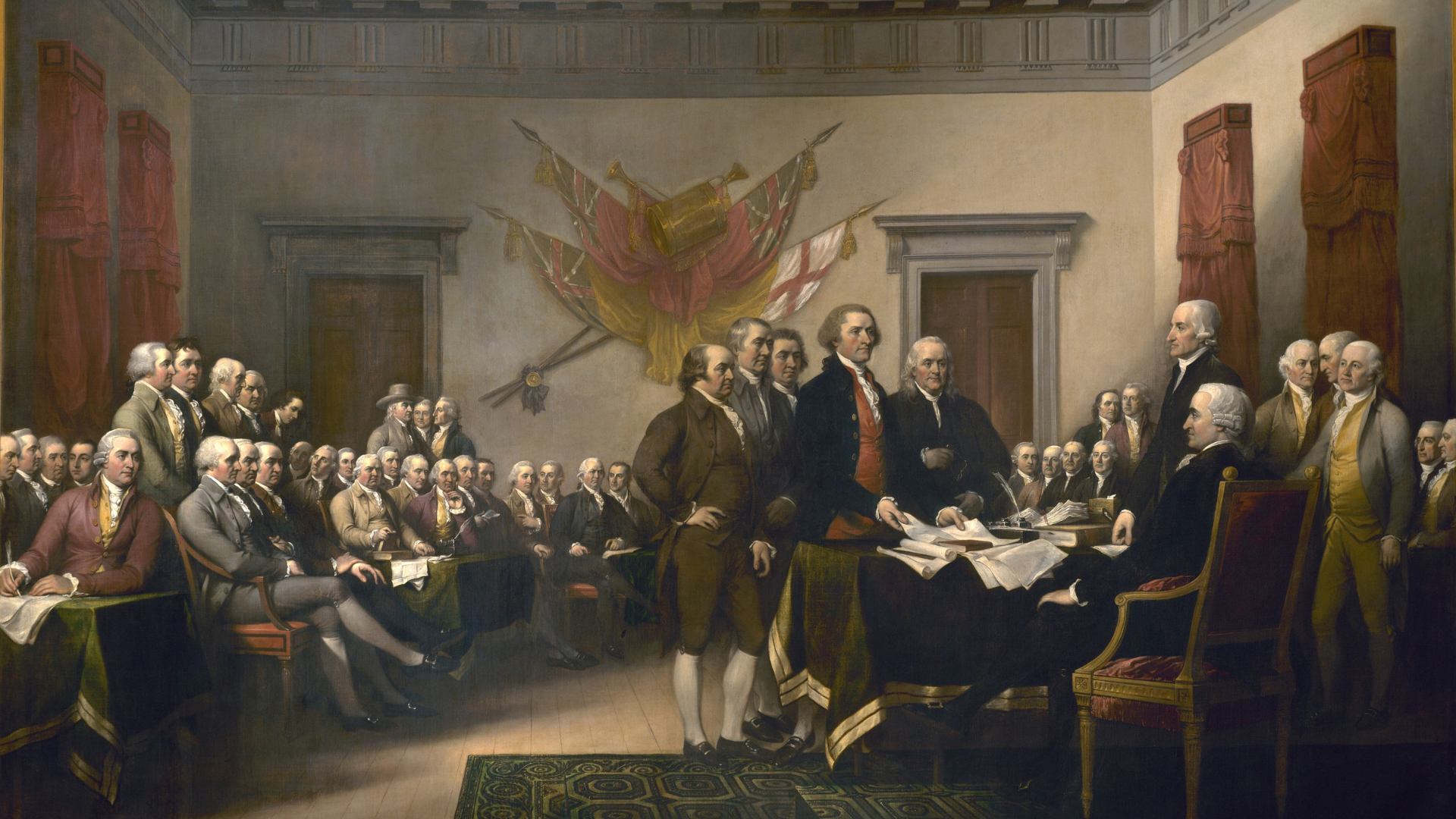
An 80 mile horseback ride through a thunderstorm to cast a vote for independence. A fatal pistol duel fought just 12 feet apart. A voyage to Europe in search of healing that ended in a shipwreck, never to be seen again. A man dragged from his bed, marched through the snow, imprisoned by the British, and left starving. Another forced into hiding for six years while his home was seized and his wife taken captive.
These are not scenes from a novel or movie. These are the actual stories of the men who signed the Declaration of Independence. Of course, we all know the legendary names: Thomas Jefferson, John Adams, Benjamin Franklin, and John Hancock. But do we know the lives and sacrifices of the other men who signed this document? There were 56 delegates who pledged their lives, their fortunes, and their sacred honor. Yet, 250 years later, many of these brave men have faded into the recesses of history. Their stories, however, are just as important.
You might be thinking, “Elizabeth, you’re not a historian. You work in financial services and what do events from 250 years ago have to do with financial planning today?” I would suggest they have everything to do with it. The founders of this country acted with a clear vision that extended far beyond their own lifetimes and focused on the generations who would come after them. In much the same way, at the very beginning of our financial planning process, we ask clients to share their vision: what they want their future to look like, how they envision retirement, what legacy they hope to leave, and ultimately, how they wish to be remembered.
Just as the founders did during the Revolutionary era, thoughtful financial planning requires us to think long-term in a short-term world. It is about expressing love for future family members we may never meet by preparing today and turning intentions into legacy. Many of signers of the Declaration risked everything for a future they would not fully see. Some paid with their health, their homes, their wealth or their lives. Their contributions endure, even if their names are not always remembered.
Caesar Rodney. Button Gwinnett. Thomas Lynch Jr. Richard Stockton. George Read. If you asked the majority of Americans in 2026 if they recognize these names, there is a high probability many would not. Two years ago, I would have been one of them. It wasn’t until I began a journey of reading or listening to one book on each U.S. President, starting with Washington, that these names began to come to life.
I recently finished an audiobook on Thomas Jefferson, which feels especially fitting as we approach the 250th anniversary of the Declaration of Independence, of which Jefferson was the primary author. Jefferson, only 33 years old at the time, put into words not just a break from Britain, but a vision for the future, one that extended far beyond his own lifetime. Yet, while his name has endured, many of the men who stood beside him and risked everything for that same vision have largely faded from memory.
Caesar Rodney from Delaware, suffering from severe asthma and facial cancer, rode 80 miles overnight through a violent thunderstorm to break a tie in Delaware’s delegation, casting the deciding vote for independence. Without his ride, history may have looked very different.
Button Gwinnett from Georgia, a signer with a fiery temperament, died at age 42 in a pistol duel with a political rival just a year after signing. The two men stood just 12 feet apart. Today, Gwinnett’s signature is one of the rarest in American history because of his short life.
Thomas Lynch Jr. from South Carolina, one of the youngest signers, was already ill when he signed the Declaration. Hoping to regain his health, he sailed for Europe with his wife, but their ship was lost at sea. Neither was ever seen again.
Richard Stockton from New Jersey was dragged from his bed by British forces and was brutally imprisoned. Reports indicate he was starved, beaten, and left in failing health. Though eventually released, his health never recovered, and his estate was left in ruin.
George Read from Delaware was initially opposed to independence, however ultimately signed the Declaration knowing the immense risk. His home was seized, his wife taken captive, and he lived on the run for six years as the war unfolded.
Late in life, reflecting on those who came before them, Thomas Jefferson wrote to John Adams “But let us not be too severe upon our forefathers… Let us be thankful for the good they have done, and endeavor to imitate it.”
At a conference several years ago, a speaker asked, “Do you know the name of your great-great-grandfather? Your great-great-grandmother?” Sheepishly, I had to admit I did not. Then she followed with a powerful question, “Do you want your great-great-grandchildren to know your name?” That question has stayed with me ever since. If so many of our nation’s founders, men of courage and conviction, have been partially forgotten over time, it raises an important question, “How will you be remembered 250 years from now?”
I believe as financial advisors we commit to a life of helping people find some measure of lasting financial peace they could not find on their own. When done correctly, our work extends far beyond the present, it positively impacts legacies & future generations. This is where history and financial planning intersect. At our firm, we believe in being guided by history, not by headlines. History teaches us that meaningful impact requires patience, discipline, and vision.
As we approach this extraordinary milestone in our nation’s history, it is worth asking: “How will you be remembered 250 years from now? What will your story say about what mattered most to you, what you built, and the people you loved? What can we do together today to ensure your legacy lives on?”
Just like the founders, the most important work we do today may not be fully realized in our lifetime, but its impact can echo for generations to come. And with thoughtful planning, your story and your values can live on far beyond you.
More Articles Like This Learn more about the author