
AI Data Centers: Economic Opportunity or Local Controversy? | Clayton Taylor
AI Data Centers: Economic Opportunity or Local Controversy?
Understanding the Costs, Benefits, and Market Impact
By Clayton Taylor
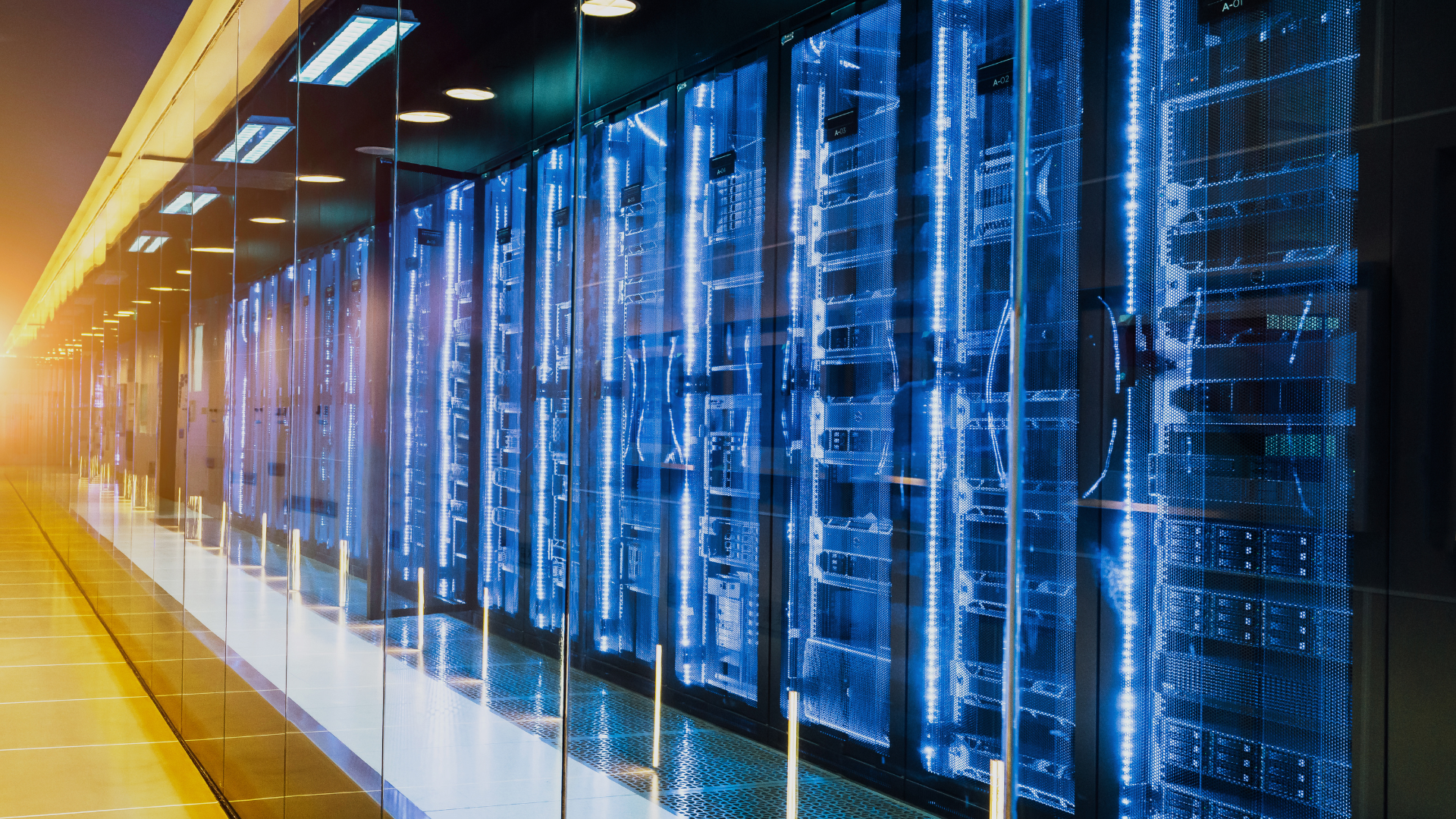
Artificial intelligence is driving one of the largest infrastructure buildouts in modern history, and at the center of this transformation are AI data centers. These massive facilities power cloud computing, machine learning, and advanced AI systems that are increasingly embedded in everyday life.
While AI data centers are often described as engines of economic growth, they are also becoming a source of local controversy. Communities, policymakers, and investors are now weighing the economic benefits against concerns about energy use, water consumption, and long-term environmental and infrastructure strain.
Why AI Data Centers Are Expanding So Quickly
AI systems require enormous computing power. Training large models and running real-time applications demands specialized hardware, significant electricity, and constant cooling. As a result, technology companies are rapidly building new data centers across the United States to keep up with demand.
This expansion is being driven by major advancements in artificial intelligence, cloud computing growth, and increasing reliance on digital infrastructure across nearly every industry. However, the speed and scale of this buildout are raising important questions about sustainability and local impact.
Local Economic Benefits: Jobs and Investment
Supporters of AI data center development often point to their economic contributions at the local level. During construction, these projects can generate substantial short-term employment in construction, electrical work, and engineering. Once operational, they provide fewer permanent jobs, but those positions are typically high-skilled and well-compensated in areas such as systems management and cybersecurity.
Local governments may also benefit from increased tax revenue and long-term capital investment. In some cases, data centers help fund infrastructure upgrades such as power grid expansion and broadband improvements. However, these benefits are often uneven, and many communities question whether the long-term gains outweigh the ongoing costs.
Growing Concerns: Energy Use and Strain on Local Infrastructure
One of the most significant sources of controversy around AI data centers is their massive and rapidly growing energy consumption. These facilities require continuous electricity to power servers and cooling systems. In some regions, this demand can place pressure on local power grids, potentially contributing to higher electricity costs for residents or requiring expensive infrastructure upgrades.
Utilities may need to invest in new generation capacity or transmission lines, costs that can ultimately be passed on to consumers depending on how rate structures are designed.
This has led to concern among some local residents that the arrival of large-scale data centers may indirectly increase household utility bills or strain already limited energy resources.
Water Usage and Environmental Impact
Another key concern is water consumption. Many data centers use water-based cooling systems to prevent servers from overheating. In areas experiencing drought conditions or water scarcity—such as parts of the western and southern United States—this can create tension between industrial users and local communities.
Environmental groups and residents often raise concerns about whether water-intensive facilities are appropriate in regions already facing long-term climate stress.
Additionally, while some companies are investing in more efficient cooling technologies, the overall scale of AI infrastructure growth means total resource usage is still rising.
Why Data Centers Are Politically and Socially Controversial
AI data centers have become controversial not only because of their resource demands, but also because of how they are approved and developed. Local governments often compete aggressively to attract these projects through tax incentives and favorable zoning policies. While this can bring investment into a region, critics argue that incentive packages sometimes reduce the net financial benefit to taxpayers.
There is also growing concern about transparency. Residents may feel that major infrastructure decisions are made quickly, with limited public input, especially when deals are negotiated with large technology companies. As a result, data center development has become a flashpoint in debates over economic development, environmental responsibility, and corporate influence in local policy decisions.
Impact on the Stock Market: Long-Term Growth with Short-Term Risks
Despite local controversies, AI data centers remain a powerful long-term theme for financial markets. Companies involved in semiconductors, cloud computing, and digital infrastructure are seeing strong demand driven by AI expansion. Utilities and energy providers are also benefiting from increased electricity needs.
However, investors should also recognize that this growth is not without risk.
Key market risks include:
- Rising regulatory scrutiny at the local and state level
- Potential delays in permitting and construction
- Increasing energy and infrastructure costs
- Public resistance in certain communities
- Cyclical overinvestment in AI-related infrastructure
These factors can create volatility, especially if expectations for AI-driven growth become overly optimistic in the short term.
Balancing Innovation with Real-World Constraints
The rapid expansion of AI data centers highlights a broader challenge: balancing technological progress with physical and environmental limitations. While AI promises long-term productivity gains and economic growth, it also requires significant real-world resources—land, energy, water, and infrastructure capacity.
For communities, the key question is not whether AI development will continue, but how it will be integrated in a way that manages tradeoffs fairly and sustainably. For investors, understanding these dynamics is critical. The AI theme may be structurally strong over the long term, but its path will likely include regulatory friction, regional pushback, and periods of adjustment as infrastructure catches up with demand.
Final Thoughts
AI data centers represent both opportunity and controversy. They bring jobs, investment, and technological advancement to local economies, but they also raise real concerns about energy consumption, water usage, infrastructure strain, and community impact.
As this trend continues to unfold, the most important factor may not be how quickly AI grows—but how responsibly that growth is managed at the local, state, and national levels.
For investors, the key takeaway is that AI infrastructure is a long-term structural trend, but one that comes with meaningful real-world constraints that can shape both policy outcomes and market performance.
Find An Advisor More Articles Like This
Footnotes
- International Energy Agency (IEA), “Data Centres and Data Transmission Networks” energy usage analysis.
- U.S. Energy Information Administration (EIA), electricity demand and grid capacity reports.
- U.S. Geological Survey (USGS), water use and regional scarcity data.
- McKinsey & Company, AI infrastructure scaling and economic impact research.
- Brookings Institution, analysis of data center incentives and local economic development tradeoffs.